
FAQs
What differentiates Selah Academy from other schools?
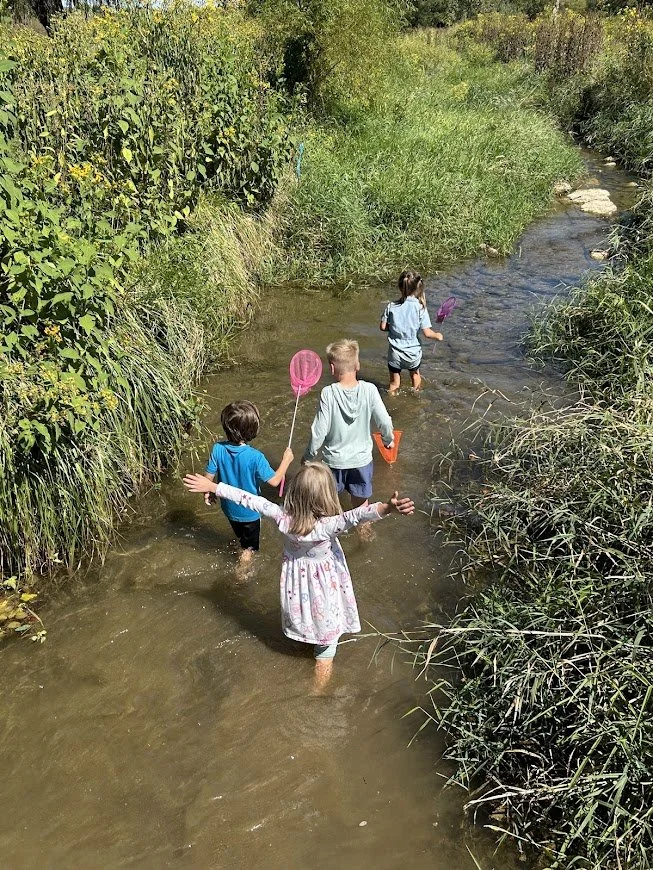
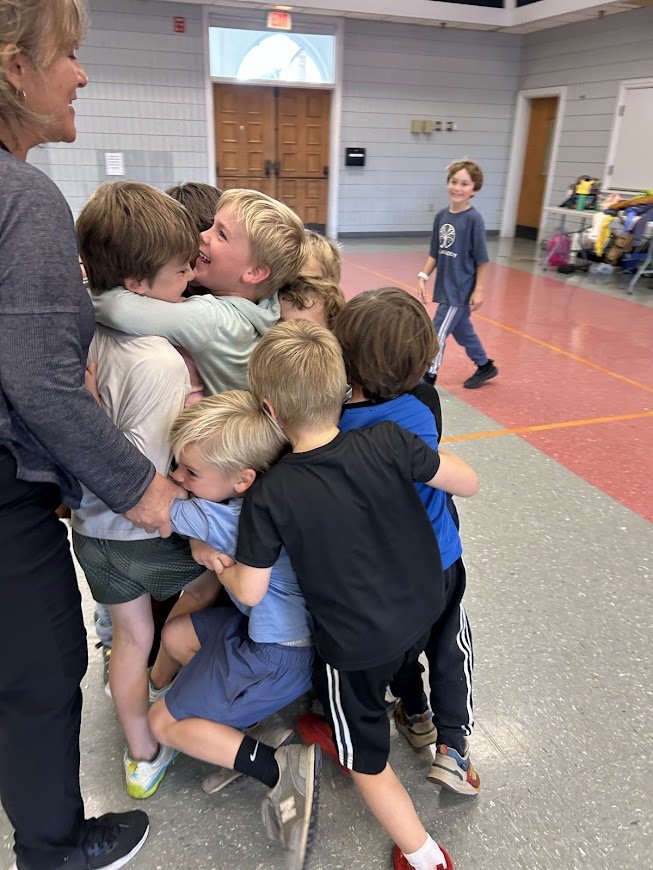
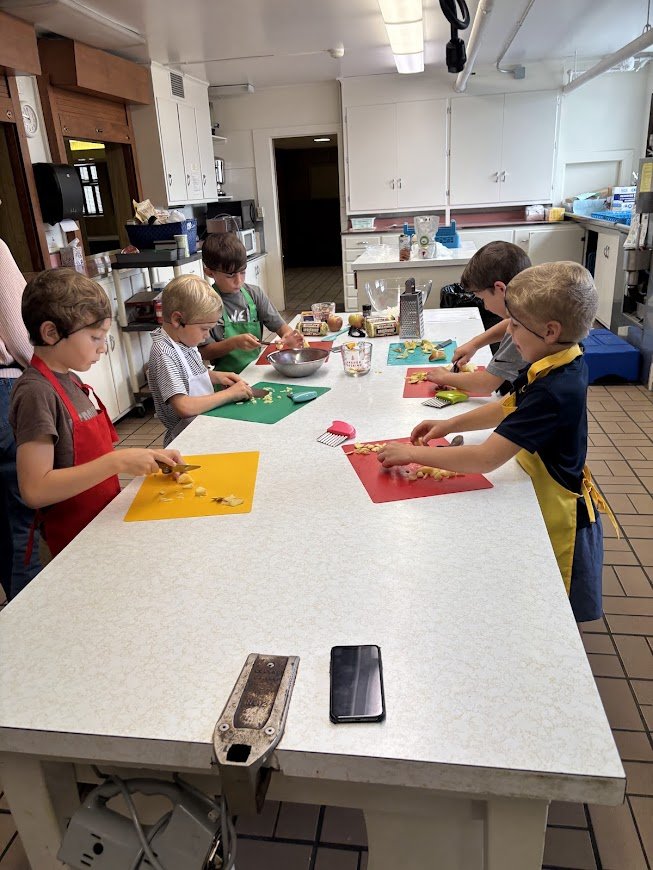
Experiential learning distinguishes Selah from many other programs. We want children to actively engage in food preparation, great children’s literature, indoor and outdoor play, and in knowing God. We are interested in unhurried, deep learning as opposed to artificial academic outcomes. We value relationships and social-emotional learning. We foster good habits of learning and good manners. We take research about play and discovery-based learning seriously.
Also, we are the first school in the valley to offer as part of its week Catechesis of the Good Shepherd, an internationally known Montessori way of helping children connect to God by using sensory materials to do spiritual and practical-life work.
In addition, Selah Academy is liturgical which means students get to experience the richness of the ancient Christian calendar with its rhythms of Advent, Christmas, Epiphany, Lent, Easter, and Ordinary Time. In Advent, we will light pink and purple candles, in Epiphany we will make and eat a King’s cake, and In Lent, we will bury the word Alleluia in the ground until Easter.
Is Selah Academy a faith-based school?
Yes. We believe in the incarnation, death, and resurrection of Jesus Christ and his unfailing love for the world. Each week we participate in Catechesis of the Good Shepherd, a Montessori-inspired method of helping children encounter God personally, pray before meals, and see faith in Christ as foundational to holistic learning.
Do you use the Montessori method?
Yes, along with other research-based methods of learning. We believe, as did Maria Montessori, that children are asking adults to “help me do it by myself.” Children at Selah get to take ownership of and care for the spaces they occupy. When shown how, we believe children are capable of cleaning up after themselves, setting a table for family style meals, practicing manners, building things, arranging flowers, dusting, vacuuming, caring for plants, and more.
The way we guide children spiritually follows Maria Montessori’s developmentally appropriate, sensory methods and allows, for instance, children to play with models of sheep and a model Good Shepherd while hearing this beautiful parable Jesus told about the loving relationship between us and Him. Montessori, who had a deep faith in Jesus, believed that before children are taught moralistic lessons about God, a child is in great need of actually encountering God, the beautiful and Good Shepherd who loves them and calls them by name.
Selah also embraces the methods of Charlotte Mason (a contemporary of Maria Montessori) with her emphasis on reading beautifully illustrated, great works of literature to children aloud and asking children to narrate stories back to you. This is a foundational piece of Selah’s mission. Selah kids will be well read human beings. In addition, Charlotte Mason’s love for nature and for teaching kids about the beautiful outdoors will also show up in Selah Academy’s daily rhythms.
What does Selah Academy cost?
Please view pricing on the Pre-K 4, Kindergarten, and 1st & 2nd Grade pages.
Can a kindergarten student be enrolled three days a week?
If you’re interested in enrolling your kindergarten student in Selah Academy three days a week, please contact us directly at info@selahacademy.org.
Will my child be behind academically if they participate in play-based learning?
Quite the opposite! Research has consistently shown that students learn best through discovery and play. When students are forced to reach academic milestones before they’re ready, they often end up with a negative view of school and learning in the long run.
The beauty of Selah’s individualized learning program is that an academically driven child can reach forward towards new challenges while a more tactile child can work at a pace that fits his or her developmental age. Teachers at Selah are guides who get to know their students’ abilities well and encourage each child to expand on their own individual gifts they have been given. We look at children holistically and recognize the physical, social-emotional, spiritual, and academic gifts of each child.
What are your long-term goals for Selah Academy?
Selah is in its third full year and offers a primary class (PreK4-Kindergarten) and a lower elementary class (grades 1-2). In the fall of 2026, we will add grade 3 to our lower elementary classroom, and we will add a new preschool class, serving 3-year-olds and young 4-year-olds. We are prayerfully considering adding grades each year and are asking God to lead us each step of the way. We believe this is His work.